도쿄 호시조라 호텔 - 빛과 전통의 만남
도쿄 호시조라 호텔: 빛과 전통이 어우러진 복도
빛으로 전통을 잇다
일본과 한국의 협업이 빛과 문양을 통해 새로운 이야기를 전합니다. 도쿄 최고의 호텔 복도가 전통과 현대의 조화를 이루는 예술적 공간으로 재탄생했습니다.
전통 문양과 조명의 융합
일본 전통 문양 아사노하(麻の葉), 세이가이하(青海波), 사쿠라(벚꽃)이 한국의 최신 조명 기술과 만나 고급스러운 디자인 조명 패널로 구현되었습니다.
이 백라이트 조명은 따뜻한 빛으로 한지의 질감을 살리며, 복도를 걸을 때마다 투숙객에게 새로운 감동을 선사합니다.
관련 키워드
- 일본 전통 문양 조명
- 호텔 복도 인테리어 디자인
- 한지 백라이트 조명
- 아사노하 문양 조명
- 세이가이하 패턴 디자인
- 일본 현대 전통 인테리어
- 한국 조명 디자인 협업
- 루미스페이스 커스텀 조명
- 도쿄 최고급 호텔
- 일본-한국 인테리어 프로젝트
- 조명 아트와 문화 융합
- 현대적 한지 조명 패널
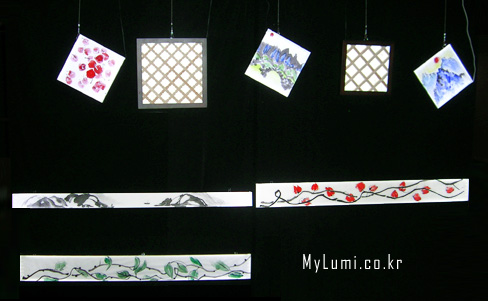 |
| 문창살을 이용한 조명 인테리어 소품 제작 사례 |
루미스페이스 LED 발광판은 어떤 재료(재질)과도 조화롭게 어울립니다.
그림과 같이 한지 문창살을 부착시키면 한층 더 멋스러운 분위기를 연출 하실 수 있습니다.
한식점 인테리어 소품으로 활용해 보세요~
기분(계절)에 따라 다른 한지 종류를 구입하여 쉽게 부착 교환 가능하기에 "DIY 맞춤 조명 인테리어" 를 하실수 있습니다.
도쿄 중심가, 일본을 대표하는 최고의 인테리어 디자인 회사 아사히 디자인은 전통과 현대의 조화를 이루는 새로운 프로젝트에 착수했다.
일본 전통 문양과 고유의 문화적 정체성을 현대적인 방식으로 표현하여, 도쿄 최고의 4성급 호텔의 복도 디자인을 완성하는 것이 목표였다.
호텔은 일본의 고급스러움을 전 세계에 알리는 랜드마크로 자리 잡고 있었고, 복도라는 공간마저도 하나의 작품으로 만들어야 했다.
하지만 단순히 일본의 전통 요소를 사용하는 데 그치지 않고, 이를 현대적 감각으로 재해석할 기술적 역량이 필요했다.
이에 아사히 디자인은 한국의 조명 디자인 전문 기업 루미스페이스에 협력 요청을 보내게 된다.
루미스페이스는 고품질 커스터마이징 조명 솔루션으로 아시아 시장에서 명성을 쌓아온 회사였다.
아사히 디자인이 루미스페이스에 전달한 요구사항은 명확했다:
- 일본 전통 문양인 아사노하(麻の葉), 세이가이하(青海波), 사쿠라(벚꽃) 등을 조명판에 섬세하게 표현할 것.
- 일본 한지를 사용해 빛을 부드럽게 확산시켜 따뜻하면서도 고급스러운 분위기를 만들 것.
- 복도의 각 공간마다 다르게 조합된 문양으로 독창성을 부여할 것.
루미스페이스 팀은 이 요구를 기반으로 맞춤형 백라이트 패널 제작에 착수했다.
LED 조명의 색온도를 조정해 한지 특유의 텍스처를 부각시키고, 각 패널에 일본 문양을 레이저로 정교하게 새기는 기술을 사용했다.
제작된 조명은 마치 일본의 전통 예술품이 살아 숨 쉬는 듯한 느낌을 주었다.
복도는 호텔의 첫인상을 결정짓는 공간이기에, 설치 과정 또한 철저히 진행되었다.
루미스페이스 팀은 도쿄로 파견되어 일본 장인들과 협력하며 패널을 조심스럽게 복도 벽에 부착했다.
조명은 낮에는 은은한 미학을, 밤에는 따뜻한 빛의 향연을 선사하며 복도 전체를 감싸 안았다.
각 패널은 호텔 투숙객들에게 다른 이야기를 전달했다.
아사노하는 일본인의 강인함과 성장을, 세이가이하는 평온과 번영을, 사쿠라는 찰나의 아름다움을 상징했다.
투숙객들은 복도를 걸을 때마다 일본의 전통과 현대가 빛 속에서 교차하는 경험을 하게 되었다.
호텔은 복도 디자인 하나만으로도 전 세계의 주목을 받게 되었다.
디자인 전문 매체와 건축 잡지는 "빛과 일본 전통의 완벽한 융합"이라며 극찬을 쏟아냈다. 호텔 투숙객들은 복도를 배경으로 사진을 찍어 인터넷에 공유하며, 새로운 랜드마크로 자리 잡는 데 기여했다.
특히, 일본의 전통을 현대적으로 재해석한 루미스페이스의 기술력은 다시 한 번 인정을 받았다.
이번 협력을 계기로 루미스페이스는 일본 내 시장에도 발을 들이며, 아시아 최고의 조명 디자인 회사로 자리매김하게 된다.
아사히 디자인과 루미스페이스의 협력으로 탄생한 복도는 단순한 이동 공간을 넘어, 예술적 경험의 장으로 자리 잡았다.
빛은 공간을 넘어 문화를 담아내는 매개체로서, 전통과 현대가 공존하는 새로운 시공 성공 사례를 만들어냈다.
이 프로젝트는 단순히 한 호텔의 디자인을 넘어, 전통과 기술의 협력이 만들어낸 빛나는 성공 사례로 남게 되었다.
Press Release
Asahi Design and Lumispace Collaborate to Redefine Hotel Corridors with Light and Tradition
Asahi Design, a leading interior design firm in Japan, has embarked on a groundbreaking project that seamlessly blends tradition and modernity. The project, focused on redesigning the corridors of a prestigious 5-star hotel in Tokyo, aimed to transform these transitional spaces into works of art that embody Japan’s cultural identity while appealing to an international audience. The hotel, a symbol of luxury and refinement, demanded a design that not only honored Japanese tradition but also reinterpreted it in a contemporary and innovative way. Recognizing the need for advanced technical expertise, Asahi Design sought collaboration with Lumispace, a renowned South Korean lighting design company known for its high-quality custom solutions.
Asahi Design’s vision for the project was clear. The design required the integration of iconic Japanese patterns, such as Asanoha (hemp leaf), Seigaiha (blue ocean waves), and Sakura (cherry blossoms), into illuminated panels that would reflect the rich heritage of Japan with exceptional precision. Additionally, the use of traditional Japanese washi paper to diffuse light was essential, as it would create a soft, luxurious glow. Each corridor section was to feature a unique combination of patterns, ensuring originality and a distinct identity for every space.
Lumispace brought this vision to life by leveraging its expertise in advanced lighting design. The team carefully adjusted LED light temperatures to highlight the delicate texture of washi paper while employing precise laser engraving to create intricate patterns on the panels. The result was a series of bespoke backlit panels that transcended functionality and became living works of art. These panels, installed along the hotel’s corridors, offered a visual narrative that bridged Japan’s cultural heritage and modern design aesthetics.
Understanding the importance of the hotel’s corridors as a first impression for guests, the installation process was carried out with meticulous attention to detail. Lumispace sent a specialized team to Tokyo to work alongside local artisans, ensuring the panels were mounted seamlessly onto the corridor walls. The panels exuded subtle elegance during the day, while at night, they transformed the space into a warm and inviting pathway illuminated by a harmonious blend of light and texture.
Each panel told a story that resonated with the cultural symbolism of the patterns. The Asanoha motif represented resilience and growth, the Seigaiha pattern conveyed serenity and prosperity, and the Sakura design symbolized fleeting beauty. Walking through the corridors, guests experienced an immersive journey where tradition and modernity intersected in a symphony of light and artistry.
The redesigned corridors quickly garnered international acclaim. Design and architecture publications praised the project as a masterpiece of cultural fusion and innovation, describing it as “a perfect harmony of light and Japanese tradition.” Guests shared photographs of the illuminated corridors on social media, elevating the hotel to a new level of recognition and establishing the space as a landmark of luxury in Tokyo.
This collaboration also highlighted Lumispace’s capabilities in combining traditional aesthetics with cutting-edge technology. The success of the project not only enhanced Lumispace’s reputation across Asia but also paved the way for its expansion into the Japanese market, positioning the company as a leader in lighting design.
The partnership between Asahi Design and Lumispace resulted in more than a redesigned corridor—it created an artistic experience that redefined the purpose of transitional spaces. By using light as a medium to convey cultural stories, the project became a testament to the power of collaboration and innovation. It stands as a shining example of how tradition and technology can coexist to create timeless designs that resonate across generations and cultures.